
A Daily Method
On the rituals that hold together creative lives and minds.

“I don’t know Tony, it’s like the fuckin’ regularness of life is too fuckin’ hard for me or something” –Christopher Moltisanti, The Sopranos (season 1.)
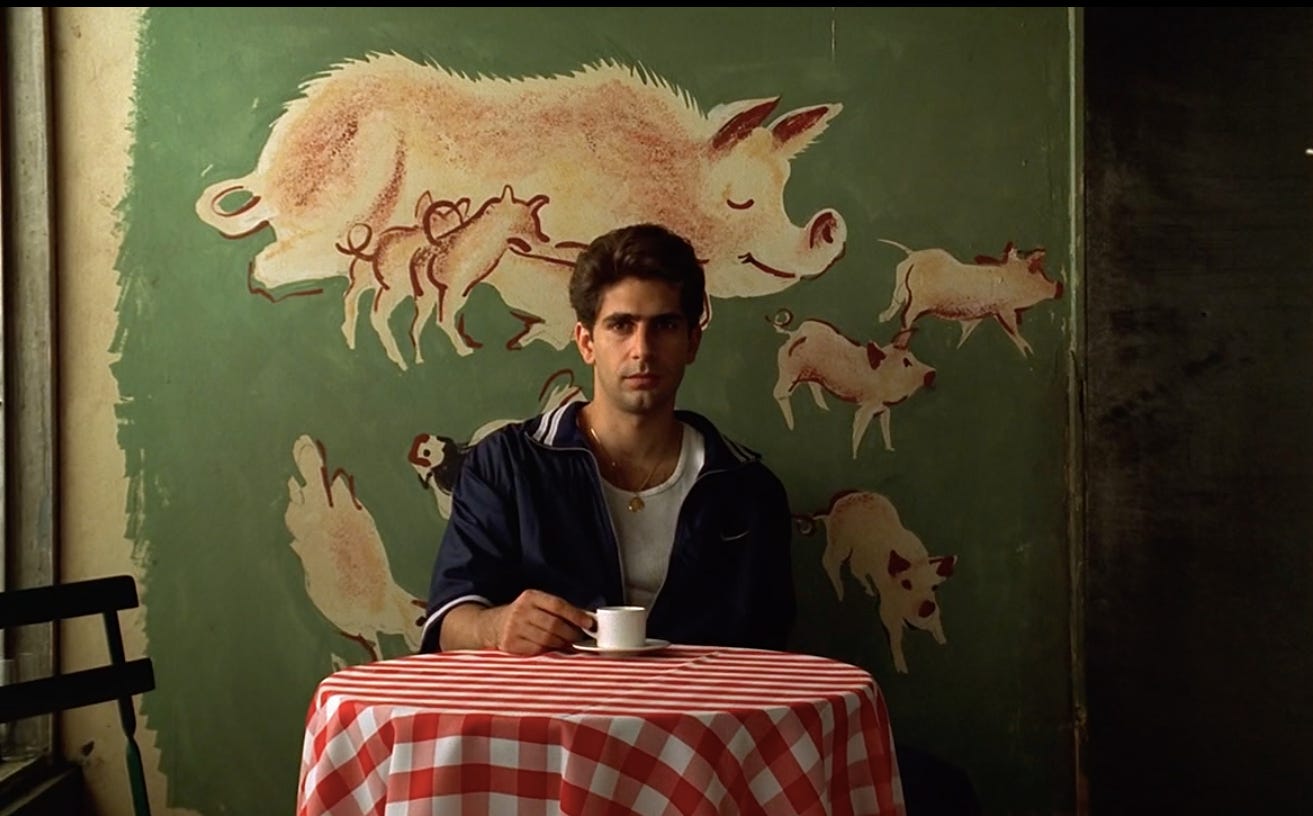
There is something slightly unnerving about how ordinary life can be. Famous writers waking up at the same hour, painters returning to the same room day in and day out for inspiration. Composers sitting down whether anything arrives or not. Sometimes it really isn’t that dramatic, it just is. The daily method that continues even when the person inside it doesn’t feel like an artist at all. The mundane facts are simply this: some days are not full of inspiration. At times it’s just about the repetition until the meaning shows itself to you.
Recently, after combing through the book Daily Rituals: How Artists Work: I’ve learned that the daily method holds the work in place long enough for it to exist. Daily repetition softened into eventual devotion and second nature. Another thing I noticed after reading about the daily routines of some of the most interesting artists and thinkers is that a lot of them are creatures of habit. This essay will walk you through some of my favorite of their routines and rituals and also illustrate how there’s a strange through line into a lot of these people’s routines. The artists in this book don’t all seem to be chasing a feeling. They seem to be building a daily way they can stay close to the work when they are not sure they can.
This is something I do as a modern-day artist when I’m not feeling my best: mentally or physically. I will still do something creative that day. Anything. Even if it’s lying in bed annotating one of my favorite books that I’ve read a million and one times. The only rule on those days is I DO NOT, under any circumstances, analyze or critique what I’ve made or wrote.
I started looking at how artists and deep thinkers actually live when nobody is watching them. The boring daily, repetitive routines. In Daily Rituals, I found patterns that felt like evidence: that creative work is something you return to over and over, in slightly different conditions. A few of those routines stayed with me more than others while researching for this project and reading this book. The structure of life and the work begin to reveal itself when you look at what repeats inside it.
“There’s a safety in thinking in a diner. You can have your coffee or your milkshake, and you can go off into strange dark areas, and always come back to the safety of the diner.”
― David Lynch
Georgia O’Keeffe (1887–1986)
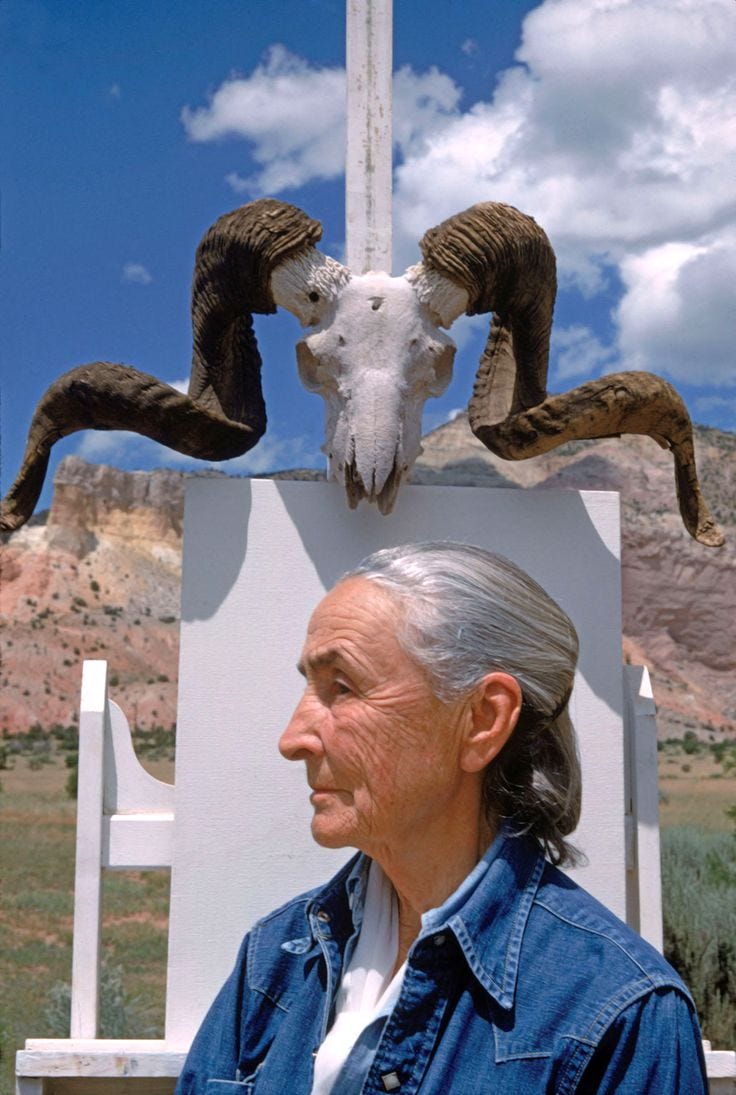
“I like to get up when the dawn comes,” O’Keeffe told an interviewer in 1966.
Georgia O’Keeffe’s morning routine begins before the day has fully formed. She wakes with the light, which I think is just so chic. She’s not rushing toward it, just waking up with mother earth and syncing their rhythms. She has a kind of slowness to her mornings, staying in bed to watch the sunrise. I admire that before jumping into her tasks, she took time to sit with herself in her bed.
“The dogs start talking to me and I like to make a fire and maybe some tea and then sit in bed and watch the sun come up. The morning is the best time; there are no people around. My pleasant disposition likes the world with nobody in it.”
–Georgia O’Keeffe on her morning routines. (same babe)
O’Keeffe made her home in the New Mexico desert, and she lived there until her death in 1949. She loved her solitude, so out there in the desert she felt at home, therefore more suited to create. Pretty much every morning she took a half-hour walk, watching out for rattlesnakes on her property and killing them with a stick if she came across one.
“a typical meal included hot chili with garlic oil, soft-boiled or scrambled eggs, bread with a savory jam, sliced fresh fruit, and coffee or tea. If she was painting, O’Keeffe would then work in her studio for the rest of the day, breaking at noon for lunch. If she wasn’t painting, she would work in the garden, do housework, answer letters, and receive visitors. But the painting days were the best days, O’Keeffe said”
Ok Georgia! She was ahead of her time with that breakfast, making me salivate and shit over here. I love that her routine is slow in the morning but also involves the occasional rattlesnake sacrifice. The dichotomy is delicious.
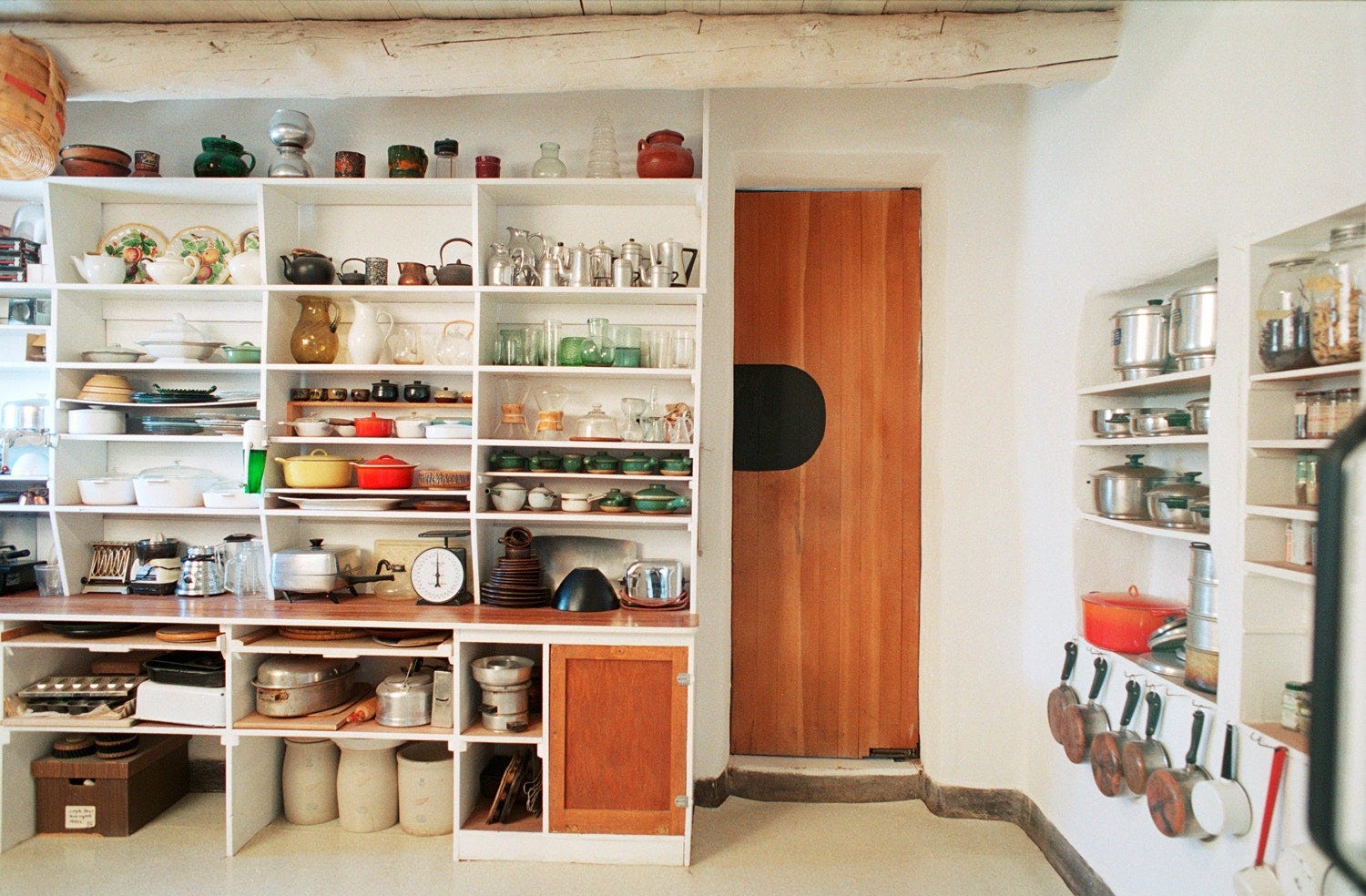

O’Keeffe also said about the days she didn’t get to paint as much:
“You take the dog to the vet. You spend a day with a friend.… You may even enjoy doing such things.… But always you are hurrying through these things with a certain amount of aggravation so that you can get at the paintings again because that is the high spot—in a way it is what you do all the other things for.… The painting is like a thread that runs through all the reasons for all the other things that make one’s life.”
I can relate to this, and I think it’s actually so human and nuanced. O’Keeffe is staying with her daily routine and social obligations so that she can continue to create. As an artist, it takes a fair amount of compartmentalization to get through a small-talk lead conversation while thinking of a lightning-in-a-bottle idea and just wanting to execute it. I think it’s less about looking for inspiration everywhere in your day, and more about committing to return to your art and liminal space at some point in the day. This is a daily maintaining. A labor of love.
Franz Kafka (1883–1924)
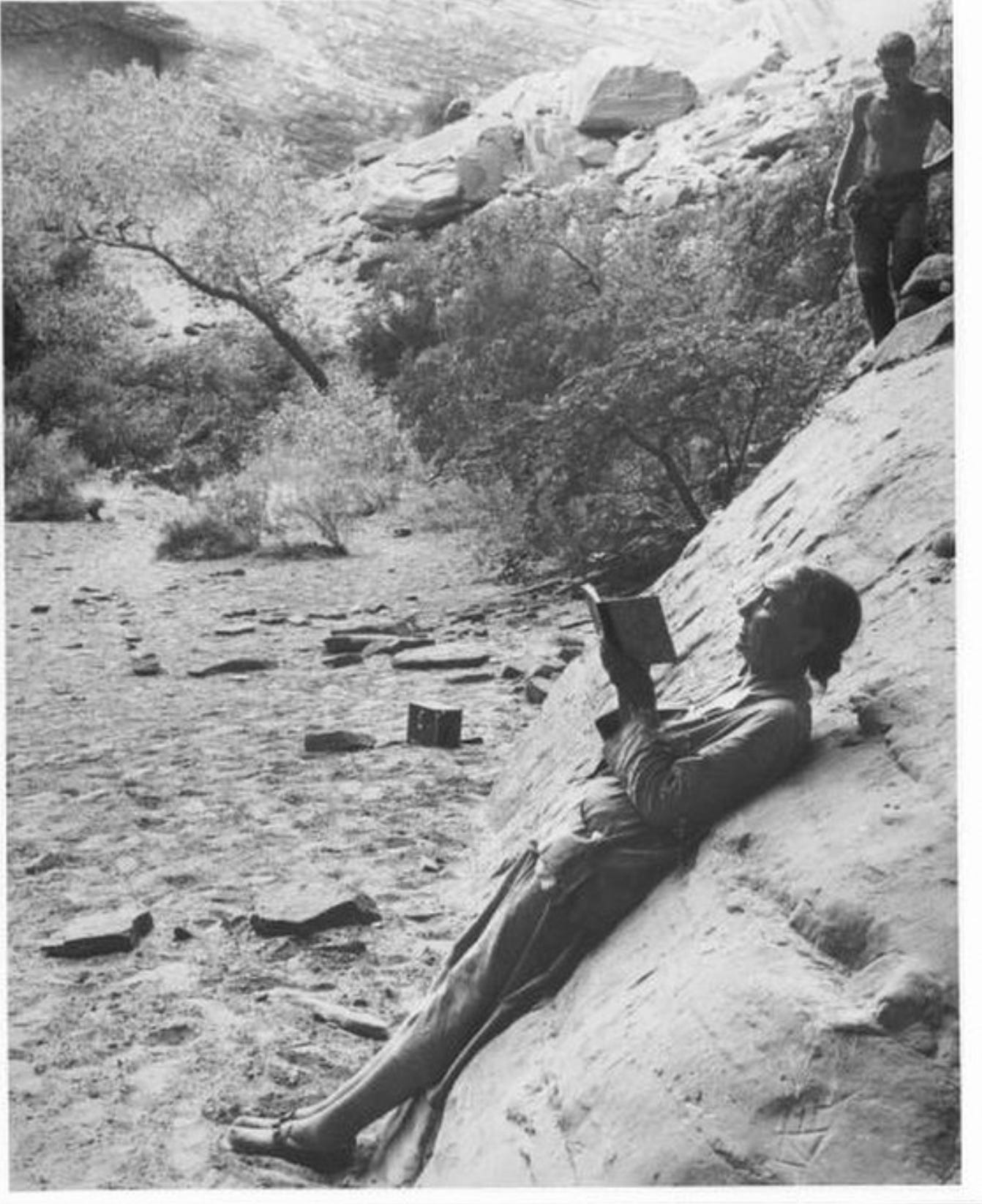
Kafka moved through life like someone trying not to disturb what or who was around him. His first job required him to work all day, so he was forced to write at night while his family slept in a cramped apartment. That was the only way to ensure a quiet workspace.
In 1908, Kafka took a position at the Workers’ Accident Insurance Institute in Prague. He was fortunate to be placed on the single-shift system, which meant working from around 8 in the morning until 2/3 in the afternoon. Before that, his earlier job at the private insurance firm had him feeling very stifled in his writing and creativity; this new job allowed him to finally write when he wanted to write.
As Kafka wrote to Felice Bauer in 1912, “time is short, my strength is limited, the office is a horror, the apartment is noisy, and if a pleasant, straightforward life is not possible then one must try to wriggle through by subtle maneuvers.”
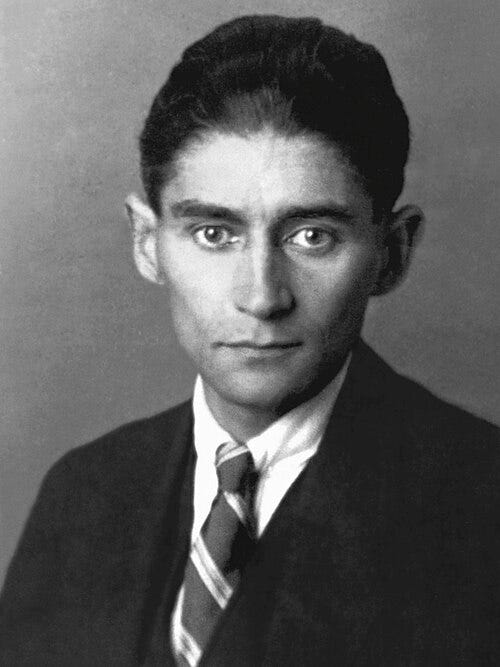
When Kafka did get to sit down and write after work and social obligations, he described it as follows: “I sit down to write, and I go on, depending on my strength, inclination, and luck, until 1, 2, or 3 o’clock, once even till 6 in the morning. Then again exercises, as above, but of course avoiding all exertions, a wash, and then, usually with a slight pain in my heart and twitching stomach muscles, to bed.”

I have always found Kafka so depressingly, hilariously relatable. While reading through his routine in this book, some of his quotations had me giggling like a schoolgirl and saying “exaaactly” to a long dead man. I digress. Kafka, like many other artists and writers including myself, slept like shit most of the time. And it affected him at work, too. Sh0cking, I know. I’ll end this section on Kafka with this final quote:
“Thus the night consists of two parts: one wakeful, the other sleepless, and if I were to tell you about it at length and you were prepared to listen, I should never finish. So it is hardly surprising if, at the office the next morning, I only just manage to start work with what little strength is left. In one of the corridors along which I always walk to reach my typist, there used to be a coffinlike trolley for the moving of files and documents, and each time I passed it I felt as though it had been made for me, and was waiting for me”
David Lynch (1946-2025)
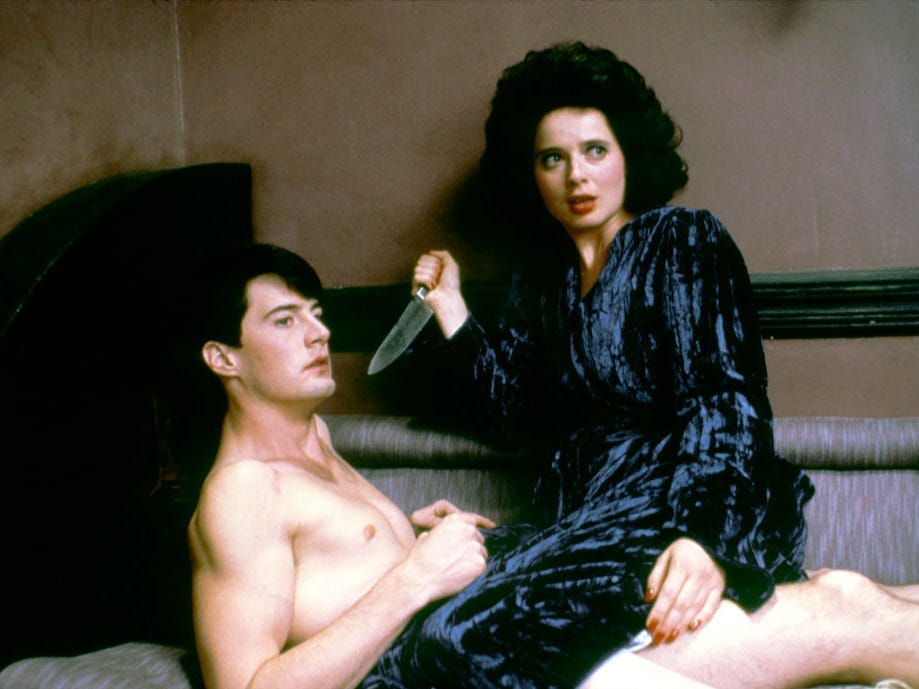
It’s only proper we end this thing with the king. At the risk of sounding weirdly para social, I love you and Miss You So much David Keith Lynch. As a film school graduate with a minor in surrealist photography, David Lynch has been my fairy godfather for as long as I can fucking remember. My college apartment had a paper-mache Eraserhead baby in the living room as a piece of art.
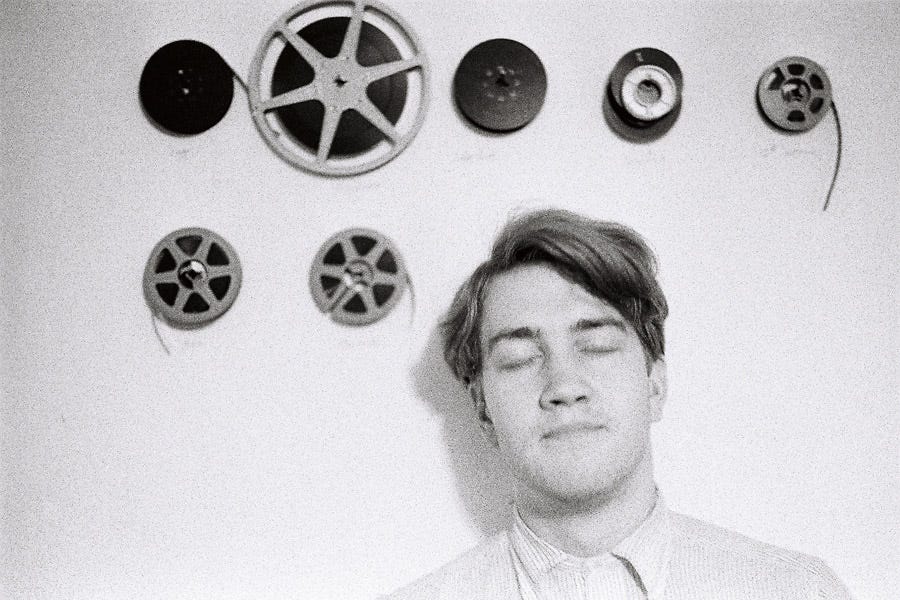
David Lynch was a creature of habit, and quite normal in his daily life.
“I like things to be orderly,” Lynch told a reporter in 1990. For seven years I ate at Bob’s Big Boy. I would go at 2:30, after the lunch rush. I ate a chocolate shake and four, five, six, seven cups of coffee—with lots of sugar. And there’s lots of sugar in that chocolate shake. It’s a thick shake. In a silver goblet. I would get a rush from all this sugar, and I would get so many ideas! I would write them on these napkins. It was like I had a desk with paper.”
The diner is featured motif in a lot of his work, so it’s not surprising that life imitates art and he spent a lot of time in them. In a way, diners are a kind of portal. Time-traveling to the land of black coffee, pie, shiny vinyl seats that your thighs stick to. Where everything is American and cool. You’re just missing David Lynch’s beautiful hair and a cigarette, two cokes.
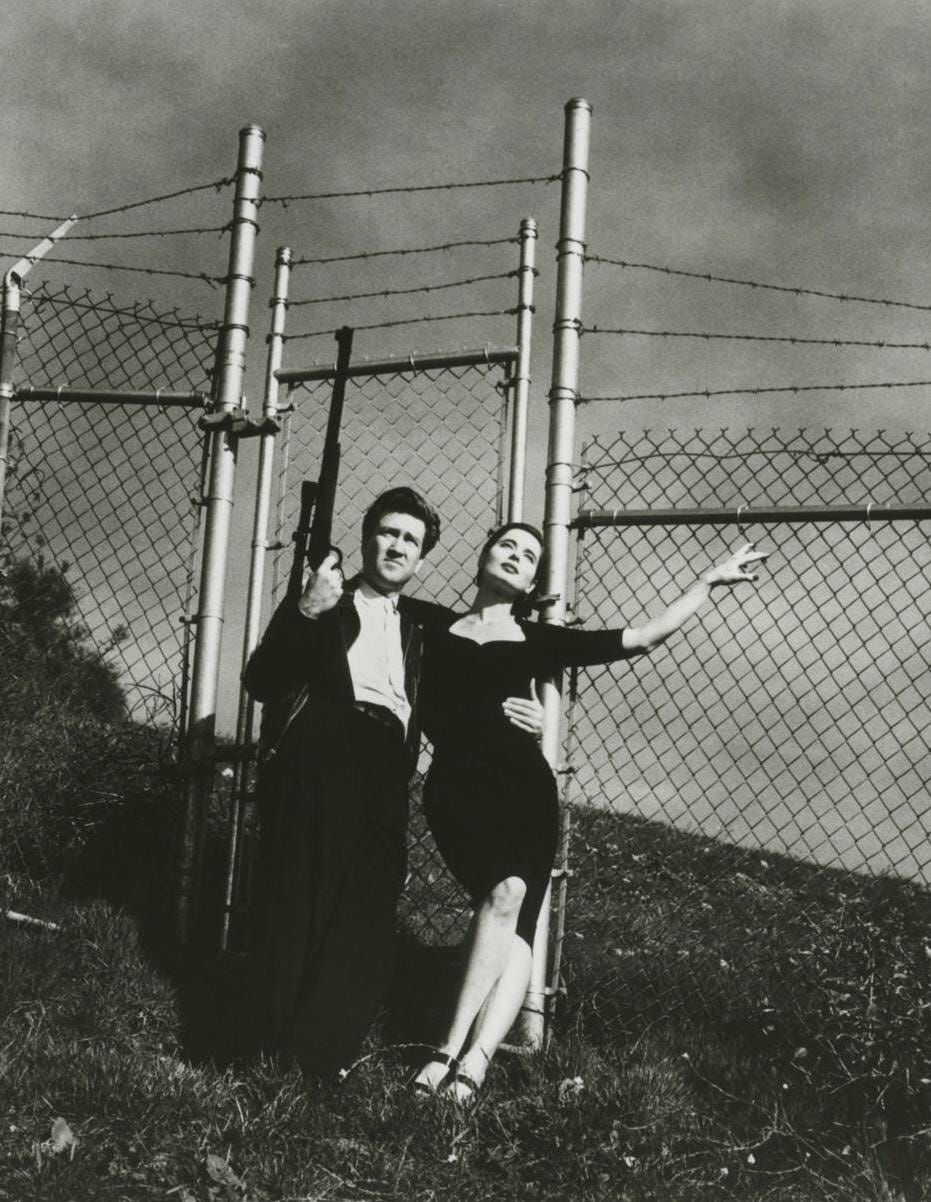
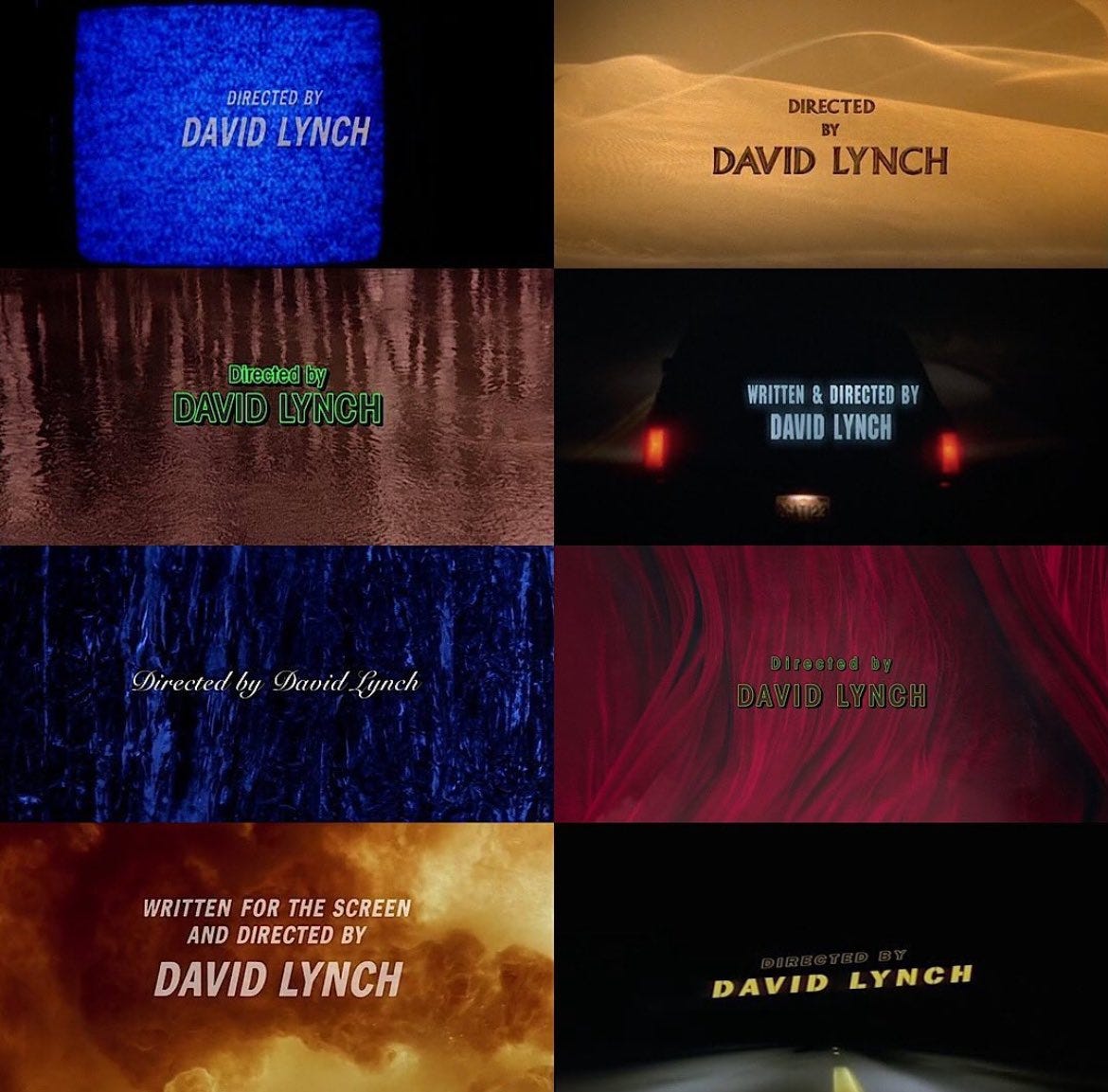
Lynch’s daily routine also consisted of getting ideas through Transcendental Meditation, which he practiced from 1973 until his death in 2025.
“I have never missed a meditation in thirty-three years,” he wrote in his 2006 book, Catching the Big Fish. “I meditate once in the morning and again in the afternoon, for about twenty minutes each time. Then I go about the business of my day.”
Those who meditate know that consistency is one of the most important aspects. DKL had it down. I think he lived halfway in that other realm, which is what makes his stuff so magic. His work is transcendental. When he was filming, he would sometimes sneak a third meditation in during the days. Lynch believed that once you had a routine, the creative parts fit in very naturally.
Each of these brilliant people built a way of returning to the work. Every day, no matter what was happening around them. Some expanded their days, some compressed them, some held them in place. Looking at these routines is so inspiring to me, and this is just three of them. I highly recommend Daily Rituals: How Artists Work. ESPECIALLY if you’re feeling down about the mundane shit in your life. Everyone has it. Everyone does it. They all return to the same necessity: the work does not happen once. You return to it again and again.
The work continues because you continue it.
Excellent piece, I relate to every word. Jeff Tweedy wrote some real down-to-Earth words on this topic in his "How To Write One Song". One of his theses is that one of the most crucial aspects of leading a productive, creative life is just simply SHOWING UP. Not waiting for inspiration to strike, not going to the studio only when you have a specific thing to work on...you just show up at your workspace (studio, office, whatever). Every day. And *then* the magic stuff happens, if you're lucky.
love this and feel i will be returning to it over and over